Prepare for
Bank Exams Exam
with EduRev
Bank Exams syllabus


All Courses for Bank Exams


RBI Assistant Preparation Course
RBI Grade B Phase 2 Preparation
RBI Assistant Mock Test Series & Past Year Papers 2026
SBI PO Prelims & Mains Preparation
RBI Grade B Phase 1 Preparation
3 Months Preparation for Bank Exams
Current Affairs & Hindu Analysis: Daily, Weekly & Monthly
Mock Test Series for JAIIB Exam 2027
Lucent For GK
Cheatsheets for Bank Exams
IDBI Assistant Manager Mock Test Series 2026
IBPS PO Prelims & Mains Preparation
Famous Books Course for Competitive Exams
Mock Tests for Banking Exams 2026
IDBI Bank JAM Mock Test Series
3 Months Preparation Course for IBPS PO
NABARD Grade A & Grade B Preparation
Current Affairs: Daily, Weekly & Monthly
Improve Your Calculations: Vedic Maths (English)
General Awareness
Quantitative Aptitude for Competitive Examinations
Mock Test Series for SBI CBO Exam 2026
100 RC's for Government Exams Preparation
Tips & Tricks for Government Exams
RBI Grade B Mock Test Series & Past Year Papers 2026
Banking Awareness for Banking Exams
IBPS SO Mock Test Series & Past Year Papers 2026
NABARD Assistant Manager Grade A Mock Test Series 2026
NIACL AO Mock Test Series 2026
Daily GK & Current Affairs Tests
SBI Clerk Mock Test Series & Past Year Papers 2026
Crash Course for Banking Exams
Basic English Grammar for Competitive Exams
Descriptive Paper for Banking Mains
IBPS Clerk Prelims 2026 Preparation
3 Months Preparation Course for SBI PO
NCERT Mathematics for Competitive Exams
Speed Reading & Memory Techniques
Computer Awareness for Banking Exams (IBPS, SBI & LIC)
Daily Test for Bank Exams
Flashcards for Banking Exams
Mock Interview Prepration for Mains 2026
Mock Test Series for MP Cooperative Bank Clerk 2027
Mock Test Series for EPFO Assistant 2027
Dena Bank PO Mock Test Series 2026
Spoken English in 30 Days
Quantitative Aptitude for Banking Preparation
Mock Test Series for MP Cooperative Bank PO 2027
Reasoning Aptitude for Competitive Examinations
NIACL Assistant Mock Test Series 2026
IBPS PO Mock Test Series 2026 & Past Year Papers
Mock Test Series for Central Bank Apprentice Exam 2026
Reasoning Traps & How Examiners Trick You
Quantitative Aptitude/संख्यात्मक योग्यता
General Intelligence & Reasoning (Hindi)
Top 100 Grammar Mistakes in Competitive Exams
English Language for Banking Exams
Mock Test Series for SEBI Grade A Exam 2026
SBI PO Mock Test Series & Past Year Papers 2026
Mock Test Series for AXIS Bank CSO Exam 2026
Numerical Ability for Banking Exams
Mind Maps for Banking Exams
Most Common Mistakes in Quant & How to Fix Them
English Grammar for Beginners
IDBI Bank AAO Mock Test Series
LIC Assistant Mock Test Series 2026
SBI SO Assistant Manager Engineer Mock Test Series
Mastering Time Management for Competitive Exams
NABARD Manager Mock Tests & Previous Year Papers 2026
IBPS Clerk Mock Test Series & Past Year Papers 2026
Mock Test Series for South Indian Bank Clerk 2026
News & Notifications: Bank Exams
IBPS RRB PO Mock Test Series & Past Year Papers 2026
Daily Vocabulary Flashcards for MBA Exams
Crash Course for Bank Exams (English)
IBPS RRB Clerk Mock Test Series & Past Year Papers 2026
Calculations made Easy - Vedic Maths tricks (in English)
Weekly Tests for Banking Preparation
Non Verbal Reasoning
Past Year Papers for Banking Exams
Mock Test Series for J&K Bank Clerk 2027
SIDBI Assistant Manager Mock Test Series 2026
Mock Test Series for J&K Bank PO 2027
Karnataka Bank PO Mock Test Series
Karnataka Bank CSA Mock Test Series
Syndicate Bank PO Mock Test Series 2027
Mock Test Series for Nainital Bank PO 2026
Mock Test Series for Nainital Bank Clerk 2026
Mock Test Series for Central Bank Apprentice 2026 (Hindi)
IBPS Cerk Mains Preparation Course
Bank of India PO Mock Test Series 2027
Mock Test Series for South Indian Bank PO 2026
SBI Clerk Prelims and Mains Preparation
Computer Awareness for Competitive Exams (Hindi)
Mock Test Series for ECGC PO 2026
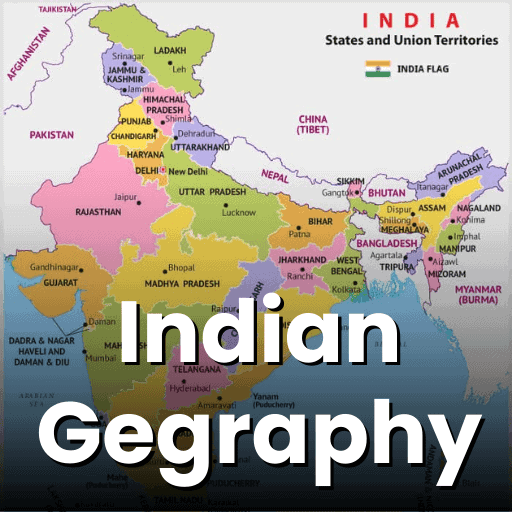
Indian Geography for Government Exams (Hindi)
General Knowledge (GK) for LIC AAO Exam (English)
Canara Bank PO Mock Test Series 2026
IDBI Executive Mock Test Series 2026
Bank of Baroda PO Mock Test Series 2027
















RBI for Bank Exams
Mock Tests for Bank Exams
RBI Assistant Mock Test Series & Past Year Papers 2026
Mock Test Series for JAIIB Exam 2027
IDBI Assistant Manager Mock Test Series 2026
Mock Tests for Banking Exams 2026
IDBI Bank JAM Mock Test Series
Mock Test Series for SBI CBO Exam 2026
RBI Grade B Mock Test Series & Past Year Papers 2026
IBPS SO Mock Test Series & Past Year Papers 2026
NABARD Assistant Manager Grade A Mock Test Series 2026
NIACL AO Mock Test Series 2026
SBI Clerk Mock Test Series & Past Year Papers 2026
IBPS Clerk Prelims 2026 Preparation
Mock Test Series for MP Cooperative Bank Clerk 2027
Mock Test Series for EPFO Assistant 2027
Dena Bank PO Mock Test Series 2026
Mock Test Series for MP Cooperative Bank PO 2027
NIACL Assistant Mock Test Series 2026
IBPS PO Mock Test Series 2026 & Past Year Papers
Mock Test Series for Central Bank Apprentice Exam 2026
Mock Test Series for SEBI Grade A Exam 2026
SBI PO Mock Test Series & Past Year Papers 2026
Mock Test Series for AXIS Bank CSO Exam 2026
IDBI Bank AAO Mock Test Series
LIC Assistant Mock Test Series 2026
SBI SO Assistant Manager Engineer Mock Test Series
NABARD Manager Mock Tests & Previous Year Papers 2026
IBPS Clerk Mock Test Series & Past Year Papers 2026
Mock Test Series for South Indian Bank Clerk 2026
IBPS RRB PO Mock Test Series & Past Year Papers 2026
IBPS RRB Clerk Mock Test Series & Past Year Papers 2026
Mock Test Series for J&K Bank Clerk 2027
SIDBI Assistant Manager Mock Test Series 2026
Mock Test Series for J&K Bank PO 2027
Karnataka Bank PO Mock Test Series
Karnataka Bank CSA Mock Test Series
Syndicate Bank PO Mock Test Series 2027
Mock Test Series for Nainital Bank PO 2026
Mock Test Series for Nainital Bank Clerk 2026
Mock Test Series for Central Bank Apprentice 2026 (Hindi)
Bank of India PO Mock Test Series 2027
Mock Test Series for South Indian Bank PO 2026
Mock Test Series for ECGC PO 2026
Canara Bank PO Mock Test Series 2026
IDBI Executive Mock Test Series 2026
Bank of Baroda PO Mock Test Series 2027
SBI for Bank Exams
Guided Learning for Bank Exams
Current Affairs for Bank Exams
Main Subjects for Bank Exams
Lucent For GK
General Awareness
Quantitative Aptitude for Competitive Examinations
Banking Awareness for Banking Exams
Basic English Grammar for Competitive Exams
Descriptive Paper for Banking Mains
NCERT Mathematics for Competitive Exams
Computer Awareness for Banking Exams (IBPS, SBI & LIC)
Quantitative Aptitude for Banking Preparation
Reasoning Aptitude for Competitive Examinations
English Language for Banking Exams
Numerical Ability for Banking Exams
Revision for Bank Exams
IBPS for Bank Exams
IBPS PO Prelims & Mains Preparation
IBPS SO Mock Test Series & Past Year Papers 2026
IBPS Clerk Prelims 2026 Preparation
IBPS PO Mock Test Series 2026 & Past Year Papers
IBPS Clerk Mock Test Series & Past Year Papers 2026
IBPS RRB PO Mock Test Series & Past Year Papers 2026
IBPS RRB Clerk Mock Test Series & Past Year Papers 2026
Reference Books for Bank Exams
NABARD for Bank Exams
Tips & Tricks for Bank Exams
Improve Your Calculations: Vedic Maths (English)
Tips & Tricks for Government Exams
Speed Reading & Memory Techniques
Reasoning Traps & How Examiners Trick You
Top 100 Grammar Mistakes in Competitive Exams
Most Common Mistakes in Quant & How to Fix Them
Mastering Time Management for Competitive Exams
Calculations made Easy - Vedic Maths tricks (in English)
Practice for Bank Exams
Strategy for Bank Exams






| Why students choose EduRev for their Bank Exams Exam |
4.6
 (150K+ ratings)
|
 (150K+ ratings)


How to Prepare for Bank Exams: A Complete Strategy for Every Aspirant
Every year, lakhs of students across India appear for bank exams conducted by bodies like IBPS, SBI, RBI, NABARD, NIACL, and IDBI Bank. Whether you are a fresher just starting out or someone attempting for the second time, having a structured bank exam preparation strategy makes all the difference between clearing the cut-off and missing it by a few marks.
The first step is to understand which exam suits your profile. IBPS conducts the Common Recruitment Process for PO, Clerical, and SO posts across public sector banks. SBI conducts its own recruitment for SBI PO and SBI Clerk independently. RBI recruits for Grade B Officers and RBI Assistant, while NABARD focuses on Grade A and Grade B positions with an emphasis on agriculture and rural economics.
Building a Solid Study Plan
- Identify your target exam and start at least 4-6 months in advance
- Divide your preparation into phases: concept building, practice, and revision
- Allocate daily time slots for each subject - Quant, Reasoning, English, and General Awareness
- Take weekly mock tests and review your performance honestly
For those who want expert-guided preparation, the 3 Months Preparation for Bank Exams course on EduRev is an excellent starting point, especially if you are short on time.
Best Online Courses for Bank Exams (RBI, SBI, IBPS, NABARD & More)
Choosing the right study resource is critical. EduRev offers dedicated preparation courses for nearly every major banking exam in India. Here is a quick overview of what is available:
| Exam | Recommended Course |
|---|---|
| RBI Grade B Phase 1 | RBI Grade B Phase 1 Preparation |
| RBI Grade B Phase 2 | RBI Grade B Phase 2 Preparation |
| RBI Assistant | RBI Assistant Preparation Course |
| SBI PO | SBI PO Prelims & Mains Preparation |
| IBPS PO | IBPS PO Prelims & Mains Preparation |
| IBPS Clerk | IBPS Clerk Prelims 2026 Preparation |
| NABARD Grade A & B | NABARD Grade A & Grade B Preparation |
| IDBI Assistant Manager | IDBI Bank JAM Mock Test Series |
For structured, month-wise plans, check out the 3 Months Preparation Course for SBI PO and the 3 Months Preparation Course for IBPS PO - both designed to take you from basics to exam-ready in a focused timeframe.
Top Mock Test Series for Bank Exams to Maximize Your Score
Toppers consistently say that mock tests are the backbone of any successful bank exam preparation. Attempting full-length mocks helps you manage time, identify weak areas, and get comfortable with the actual difficulty level of the exam.
EduRev offers exam-specific mock test series for all major banking exams:
- RBI Grade B Mock Test Series & Past Year Papers 2026
- RBI Assistant Mock Test Series & Past Year Papers 2026
- SBI Clerk Mock Test Series & Past Year Papers 2026
- IBPS SO Mock Test Series & Past Year Papers 2026
- NABARD Assistant Manager Grade A Mock Test Series 2026
- IDBI Assistant Manager Mock Test Series 2026
- NIACL AO Mock Test Series 2026
- NIACL Assistant Mock Test Series 2026
- Mock Test Series for SBI CBO Exam 2026
- Dena Bank PO Mock Test Series 2026
- Mock Test Series for EPFO Assistant 2027
- Mock Test Series for JAIIB Exam 2027
- Mock Test Series for MP Cooperative Bank PO 2027
- Mock Test Series for MP Cooperative Bank Clerk 2027
- Mock Tests for Banking Exams 2026
- Daily Test for Bank Exams
How to Master Current Affairs and Banking Awareness for Bank Exams
The General Awareness and Banking Awareness sections are among the highest-scoring portions if prepared well. Current affairs covering the last 6 months before your exam date are most relevant - focus on RBI policy announcements, Union Budget highlights, government financial schemes, key appointments, and international summits.
For banking awareness, make sure you understand RBI's monetary policy, types of bank accounts, NPA norms, priority sector lending, roles of SEBI, NABARD, and SIDBI, and payment systems like NEFT, RTGS, IMPS, and UPI.
Stay consistent with your GA prep using the Current Affairs: Daily, Weekly & Monthly course and the Current Affairs & Hindu Analysis resource on EduRev. The Daily GK & Current Affairs Tests will keep your retention sharp throughout your preparation.
For static banking knowledge, the Banking Awareness for Banking Exams and General Awareness courses are well-structured and highly recommended.
Subject-Wise Tips: Quantitative Aptitude, Reasoning & English for Bank Exams
Quantitative Aptitude
This section tests your speed and accuracy across topics like Data Interpretation, Number Series, Simplification, and Arithmetic. Build your concepts using NCERT Mathematics before moving to advanced practice. The Quantitative Aptitude for Competitive Examinations and Quantitative Aptitude for Banking Preparation courses cover all essential topics in depth. To boost your calculation speed, explore Vedic Maths techniques and brush up fundamentals through NCERT Mathematics for Competitive Exams.
Reasoning Ability
Puzzles, Seating Arrangement, Syllogism, and Coding-Decoding are high-weightage topics. Consistent daily practice is key. The Reasoning Aptitude for Competitive Examinations course provides systematic coverage with practice sets.
English Language
Focus on Reading Comprehension, Error Detection, and Para Jumbles. Strengthen your grammar base with the Basic English Grammar for Competitive Exams course and improve comprehension skills through 100 RCs for Government Exams Preparation. For better retention, use Speed Reading & Memory Techniques.
How to Crack Bank Exams in 3 Months: Crash Course Approach That Works
If your exam is approaching fast, a crash course approach can still get you across the finish line - provided you are disciplined. The key is prioritizing high-yield topics, doing timed practice daily, and reviewing mistakes rigorously.
- Week 1-4: Focus on concept revision for all core subjects
- Week 5-8: Start full-length mock tests; analyze each test thoroughly
- Week 9-12: Intensive revision, current affairs revision, and sectional practice
The Crash Course for Banking Exams on EduRev is built for exactly this scenario. Complement it with Tips & Tricks for Government Exams to pick up smart shortcuts and time-saving strategies.
Best Books and Study Resources for Bank Exam Preparation
While coaching material and online courses are valuable, standard reference books remain irreplaceable for conceptual clarity. Lucent's General Knowledge is a go-to resource for static GK among banking aspirants.
| Resource Type | EduRev Course |
|---|---|
| GK Reference | Lucent For GK |
| Famous Books Summary | Famous Books Course for Competitive Exams |
| Quick Revision | Cheatsheets for Bank Exams |
| Flashcard-Based Revision | Flashcards for Banking Exams |
| Computer Awareness | Computer Awareness for Banking Exams (IBPS, SBI & LIC) |
Descriptive Paper and Mock Interview Preparation for Banking Mains
The Descriptive Paper - typically consisting of Essay and Letter Writing - is part of SBI PO Mains and RBI Grade B Phase 2. Many aspirants underestimate this section, but it can make or break your final merit ranking. Focus on formal writing, logical structuring of arguments, and clarity of expression.
The Descriptive Paper for Banking Mains course covers essay writing, letter formats, and précis writing with worked examples. Once you clear the written stages, the final hurdle is the interview. Prepare smartly with the Mock Interview Preparation for Mains 2026 course, and work on your spoken communication through Spoken English in 30 Days.
Computer Awareness and General Knowledge: The Scoring Sections in Bank Exams
Computer Awareness is tested in IBPS and SBI exams and covers fundamentals of computers, MS Office, networking basics, cybersecurity awareness, and internet concepts. Since this section is relatively straightforward, it is one area where you should aim for near-perfect scores with focused preparation.
General Knowledge, on the other hand, requires consistent long-term effort. Use the General Awareness course alongside daily current affairs practice. Keeping up with the Daily GK & Current Affairs Tests ensures you never fall behind on recent developments.
For an all-in-one preparation experience, the Mock Tests for Banking Exams 2026 combined with subject-specific resources from EduRev gives you the competitive edge needed to secure a top rank. Start today, stay consistent, and approach your bank exam preparation with a clear plan - success follows preparation.
Bank Exams FAQs
| 1. How many attempts are allowed in bank exams like SBI PO and IBPS PO? |  |
| 2. What is the difference between SBI PO and IBPS PO exams? | |
| 3. What is the salary of a bank PO after selection? | |
| 4. How do I start preparing for bank exams from scratch with no coaching? | |
| 5. What is the syllabus for IBPS Clerk 2024 and how is it different from IBPS PO? | |
| 6. Is it possible to crack a bank exam in 3 months if I study on my own? | |
| 7. What are the most important topics for bank exam Reasoning section? | |
| 8. What is the cut-off for SBI PO prelims and how is it decided? | |
| 9. How does negative marking work in bank exams and how do I manage it? | |
| 10. What is General Awareness in bank exams and how should I prepare for it? | |
| 11. What is the age limit to apply for government bank jobs in India? | |
| 12. How is the bank exam selection process structured from prelims to joining? | |
| 13. What is the difference between a bank PO and a bank SO exam? | |
| 14. Are there any free apps or websites where I can practise bank exam questions every day? | |
| 15. What happens if I fail the bank exam multiple times - should I keep trying or switch? | |

One subscription to unlock all
Bank Exams Courses
View Pricing Plans
Starting @ $1 per month
|
|


